

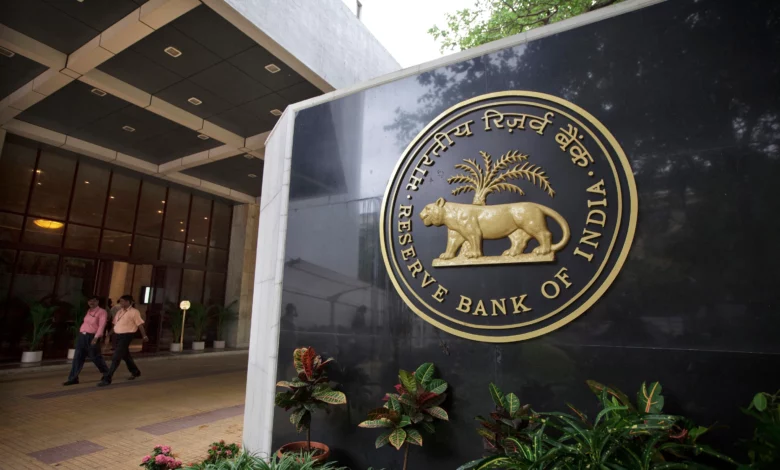
RBI will pay a record Rs 2.7 lakh crore as a dividend to the government in the current financial year. The figure surpassed that of last year and the expectations of the government. The Reserve Bank of India will pay a record Rs 2.7 lakh crore as a dividend to the government for the ongoing financial year.
The amount has exceeded what it paid to the government a year ago, which was Rs 2.1 lakh crore and even the Centre’s budgeted estimate. The government was originally expected to get 2.6 lakh crore dividend from RBI, state banks and financial institutions for FY26, The Times of India reported.
The rise in dividends mirrors the conservative stance the central bank is adopting in the face of global economic uncertainties and increasing fears about domestic financial stability. The higher-than-anticipated dividend will assist the RBI in lowering its rates. Analysts are meanwhile projecting the yield on government paper to fall further.
Experts reported that the true profit incurred can be higher as the RBI increased the contingency risk buffer to 7.5% from 6.5% last year. Greater income generated from the sale of foreign exchange, better returns on assets abroad, and profits from liquidity operations also led to an increase in dividends.
Aditi Nayar, chief economist at ICRA, told The Times of India that “RBI’s dividend exceeds budget assumptions by around Rs 40,000 crore to Rs 50,000 crore, or 11-14 basis points of GDP. This offers a cushion for the govt to absorb lower-than-expected tax or disinvestment receipts, or to manage additional spending”.
Nayar observed that the updated nominal GDP estimate for FY25 implies that despite reduced hoped-for growth of 9 per cent in FY26, as opposed to budgeted 10.1 per cent, the fiscal deficit-to-GDP ratio can remain at 4.4 per cent. This would permit a slippage of about Rs 30,000 crore without violating the target.


