

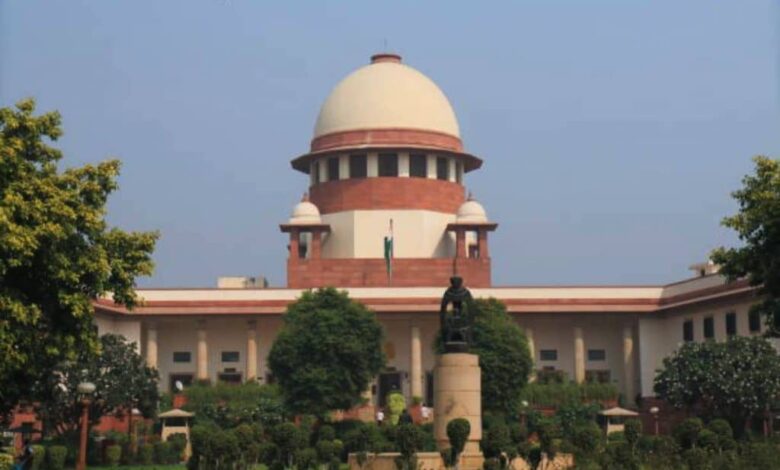
The Supreme Court will take up a set of petitions challenging the Waqf Amendment Bill, which was cleared by Parliament last week, on April 16. The government, in the meantime, has filed a caveat with the court that no orders be issued without considering its side.
Up to 15 petitions have been submitted so far challenging the controversial bill, which was opposed by a number of political parties and quarters of the Muslim community. A majority of such objections were raised in a marathon debate of over 12 hours in both the Lok Sabha and Rajya Sabha last week. The bill has been signed into law by the President after its passage.
Certain key provisions of the bill include the mandatory representation of two non-Muslim members in the Central Waqf Council and Waqf Boards. The bill also makes it a provision that only those who have been Muslims for not less than five years will be eligible to donate properties to Waqf.
Another contentious clause in the bill is that the government properties declared Waqf will no longer be owned by the government, and local Collectors have the authority to determine ownership.
The government has consistently argued that the law concerns property management and not religion. The BJP has argued that the Waqf bill was prepared after discussions and has been endorsed by non-Muslim minorities. Officials argue that the amendments are intended to rectify widespread irregularities because of which Waqf properties have failed to benefit women and children, something that was supposedly encouraged by the previous government’s policies.


