

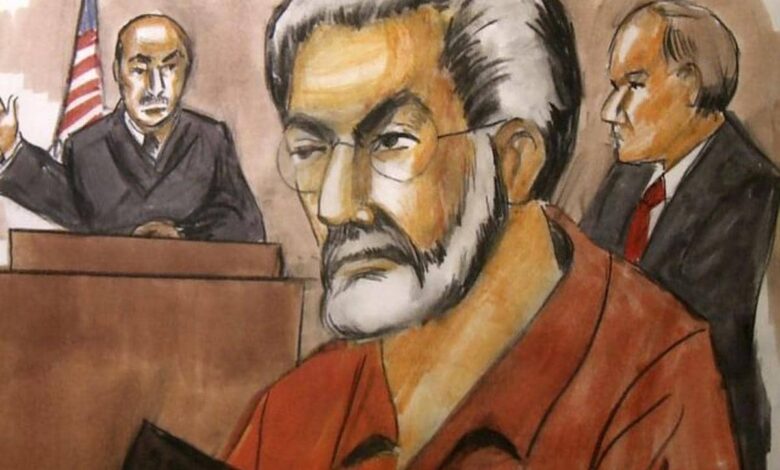
Tahawwur Hussain Rana, a key figure in the 2008 Mumbai terror attacks, has been remanded to the custody of India’s National Investigation Agency (NIA) for 18 days following his extradition from the United States. Rana arrived in Delhi on Thursday evening, where he was promptly arrested.
Here are the key details of the case:
- Custody Details: The 64-year-old Rana was taken into custody immediately upon landing in Delhi. Sources indicate he may be transferred to Tihar Jail’s high-security facility and potentially moved to Mumbai to face trial.
- Court Appearance: Later that evening, Rana was presented before a special court. The NIA cited compelling evidence, including emails, in its request for police custody, arguing that custodial interrogation is essential to uncover the details of the conspiracy.
- Charges Filed: Rana faces serious charges, including criminal conspiracy, waging war against the government of India, murder, forgery, and violations under the Unlawful Activities (Prevention) Act.
- Extradition Announcement: His extradition occurred two months after U.S. President Donald Trump announced the decision during Prime Minister Modi’s visit, characterizing Rana as “very evil.” Maharashtra Deputy Chief Minister Eknath Shinde commended the Prime Minister on X, formerly known as Twitter.
- Background: A Canadian citizen of Pakistani descent based in Chicago, Rana is accused of playing a pivotal role in the Mumbai attacks, which resulted in 166 fatalities. David Coleman Headley, the primary perpetrator of the attacks, claimed that Rana provided logistical and financial support.
- Allegations of Assistance: The chargesheet details how Rana aided Headley, including establishing the Immigrant Law Centre in Mumbai. Headley traveled extensively across India under the guise of this firm, with Rana visiting India in November 2008.
- Previous Arrest: In October 2009, the FBI arrested Rana in Chicago for supporting a foiled attack on a Danish newspaper and for providing material support to Lashkar-e-Taiba, the group responsible for the Mumbai attacks. He was convicted two years later.
- Health Claims: Rana had contested his extradition in U.S. courts, citing multiple health issues, including an abdominal aortic aneurysm, Parkinson’s disease, and potential bladder cancer. His appeals were denied, facilitating his extradition.
- Mumbai Attack Overview: The three-day assault in 2008 targeted several high-profile locations in India’s financial capital, including hotels, a train station, and the Chabad House. Only one attacker, Ajmal Kasab, was captured alive and executed in 2012.
- Pakistan’s Position: Pakistan has distanced itself from Rana, stating that he has not renewed his Pakistani documents for over 20 years and emphasizing his Canadian nationality.
Rana’s extradition marks a significant step in the ongoing pursuit of justice for the victims of the 26/11 attacks, as India continues to seek accountability for the tragedy that shook the nation.


