Bangladesh’s caretaker regime directive to reform the influential National Board of Revenue (NBR) has sparked widespread anger among its employees, from lower-level staff to top managers. The estimated lost tax revenues from the protests range between $122-163 million.
Bangladeshi security personnel cordoned off the headquarters of the nation’s national tax bureau Sunday (May 25) as staff extended a two-week strike against controversial reforms by the interim government, costing millions in lost taxes daily.
The government directive to transform the influential National Board of Revenue (NBR) has provoked widespread anger from its workers, ranging from junior-level staff to high-ranking officials.
“Tax, customs, and VAT – all the three wings will adhere to a full work boycott from Monday,” Joint Tax Commissioner Monalisa Saha Sushmita informed reporters outside the NBR building in Dhaka, where police and armed forces had converged.
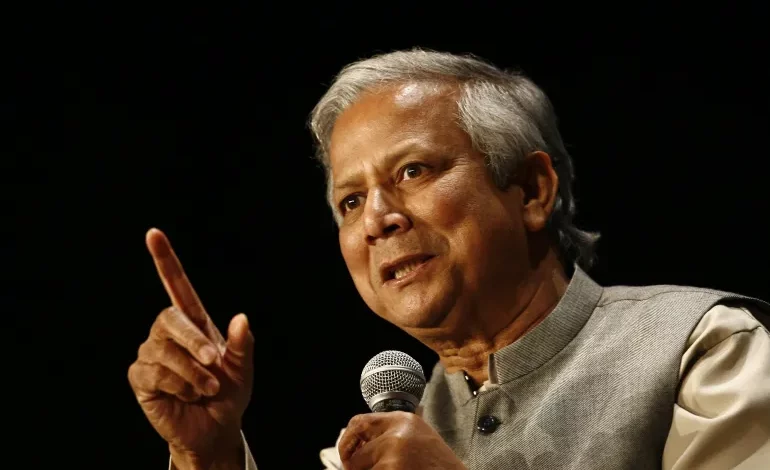
Bangladesh has been wracked by crisis ever since student-led demonstrations forced out former Prime Minister Sheikh Hasina in August 2024, bringing an end to her 15-year rule. The caretaker government, led by Nobel winner and microfinance founder Muhammad Yunus, has pushed widespread government reforms to stem corruption and inefficiency.
The May 12 directive suggested splitting the powerful revenue-collecting NBR into two institutions, with external civil servants appointed by the government to run the new departments. Protesters perceive this act as undermining current authority and disturbing entrenched practices.
Sushmita alleged the strike had drastically hit economic activity, declaring, “imports and exports will also be stopped,” and put lost tax revenues at $122 million to $163 million a day since the protests began. Those estimates were unable to be verified independently.