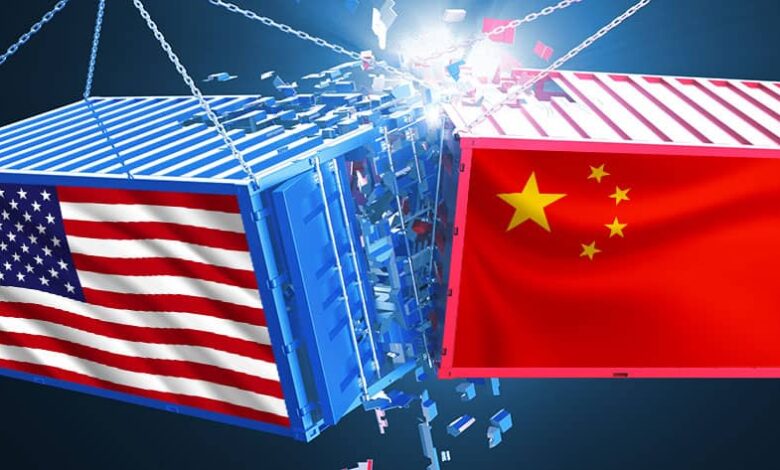
In a dramatic shift in the wake of escalating trade tensions, China has signalled that it was open to negotiations with the United States, provided there was a show of respect from President Donald Trump. With Chinese imports facing the record 145% tariff, the shift is a major development in the trade war still raging on.
According to reports by Bloomberg, the conditions under which China will return to negotiating are a firmer U.S. stance, settlement of concerns about U.S. sanctions and Taiwan, and the designation of a Trump-nominated representative to lead bilateral negotiations on trade and tariffs. This designated person would negotiate and help draft a potential agreement for Trump and Chinese President Xi Jinping to sign at a later summit.
In retaliation against Trump’s tariffs, China imposed its own 125% tariffs on U.S. importsChina increases tariffs on US imports to 125% and has blocked exports of essential rare earth minerals and magnets used by numerous industries such as automobiles and electronics. Since China has a near-monopoly over the resources, the halt in exports jeopardizes manufacturing processes worldwide since numerous firms lack sufficient stockpiles to weather an extended trade war.
Even while China appears willing to negotiate, U.S. Treasury Secretary Scott Bessent has ruled out the significance of negotiating with China today. During a recent Yahoo Finance interview, he was prioritizing talks with 14 other important trade partners and commenting on active talks that had potential for consequential deals.
White House Press Secretary Karoline Leavitt again insisted that it’s China’s responsibility to take the talks forward, stating, “The ball is in China’s court. China needs to make a deal with us. We don’t have to make a deal with them.” This stance highlights the complexity and intricacies that are ahead in resolving the trade standoff between the two economic giants.