China’s economy has defied expectations despite US President Donald Trump’s tariffs and a long property market crisis holding back expansion. Official data reveal that the world’s second-largest economy expanded 5.2% in the first three months of the year to the end of June, up from the same period last year. That is more than many economists expected at 5.1% but down from the last quarter.
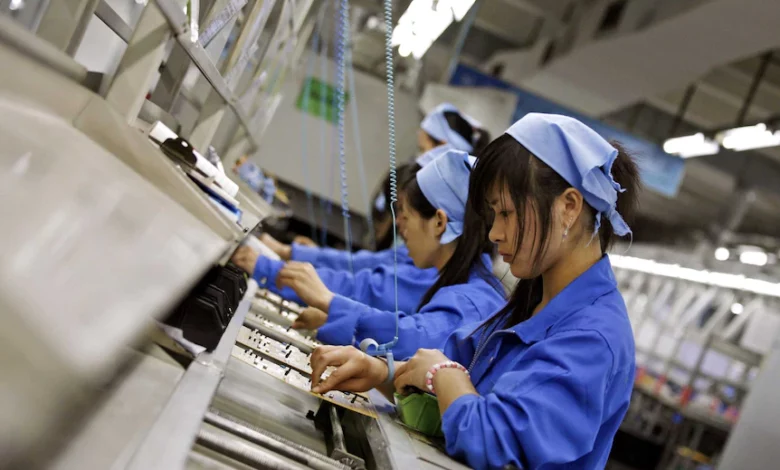
The nation has thus far escaped a sudden slump, thanks in part to steps taken by Beijing to assist the economy and a tentative trade peace with Washington. Economic growth was “assisted by solid growth in manufacturing,” said China’s National Bureau of Statistics in a statement.
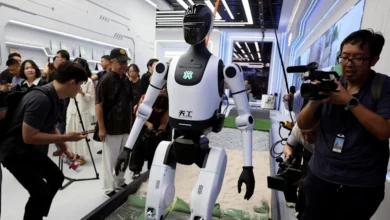
Government officials said the economy was supported by a 6.4% growth in manufacturing as there was increased demand for 3D printing equipment, electric cars and industrial robots.
The services sector of the country, encompassing such fields as transport, finance, and technology, also improved. However, in June, retail sales expansion fell to 4.8% compared to the previous year, versus a 6.4% increase in May.
Later on Tuesday, official data revealed a decline in China’s new home prices during the month of June, dropping at the quickest monthly rate in eight months. The statistics indicate the nation’s property sector is still under pressure despite multiple rounds of policy support for property prices.
Market watchers had anticipated a greater impact from tariffs on the economy of China, but the nation remains “highly resilient,” said National University of Singapore economist Gu Qingyang. Expansion was driven by exports, primarily as a result of companies hurrying to send out goods ahead of new tariffs or alterations to China’s exporting strategy coming into force, he said.
The second half of the year is set to be less certain, however, Prof Gu said. As a result, a more robust government stimulus may be required. Saying that, hitting 5% growth per annum target still appears firmly in sight.”
However, some economists are projecting that China will fall short of its “about 5%” growth goal for this year. The question is by how much. We think it will hold a line of 4%, which is the politically necessary minimum,” Eurasia Group’s director for China, Dan Wang, explained to the BBC.
A tariff war between Trump and China’s President Xi Jinping resulted in the US imposing a 145% tariff on Chinese imports. Beijing responded with a 125% duty on certain US goods. Those tariffs were suspended following negotiations in London and Geneva. The two nations now have until 12 August to sign a long-term trade agreement.