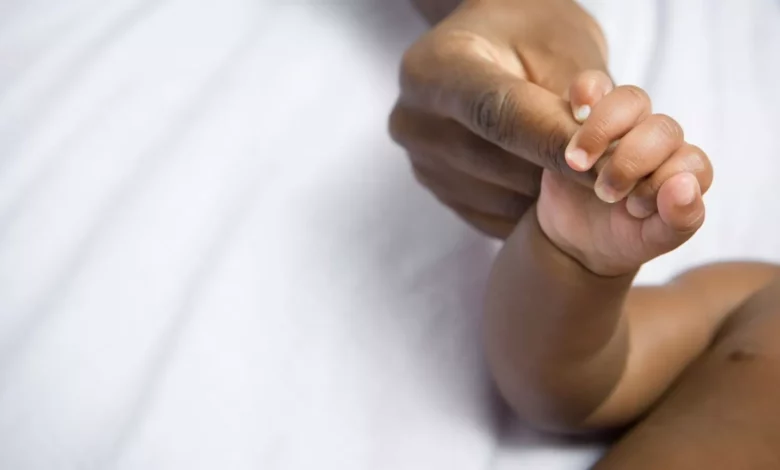
The first malaria medication that’s appropriate for babies and young children has been licensed. It’s likely to be introduced in African nations in the coming weeks. Previously, there had been no licensed malaria medicines for babies. Instead, they’ve received versions made for older children, which poses a risk of an overdose.In 2023 – the latest year for which data is available – malaria was responsible for approximately 597,000 deaths.
Nineteen out of twenty of these deaths were in Africa, and approximately three-quarters of them were children aged under five. There are malaria treatments available for children, but up until now, there has been none designed for the very youngest babies and small children who weigh less than 4.5kg or about 10lb.
Rather, they have been given medicines formulated for older kids. That, however, comes with risks, as the dosage for these older kids could be unsafe for infants whose livers are still maturing and whose bodies metabolise medications in different ways. They say this has created what is called a “treatment gap”.
And now a new drug, which was created by the pharmaceutical firm Novartis, has been approved by Swiss authorities and should soon be introduced in areas and nations with the highest incidence of malaria. The head of the firm, Vas Narasimhan, says this is a significant moment.
“For over thirty years, we have remained the course in the battle against malaria, working tirelessly to bring scientific breakthroughs to those that need them most. Alongside our partners, we are proud to have gone the extra mile to create the first ever clinically proven malaria treatment for babies and young infants, so that even the tiniest and most vulnerable can at last receive the treatment they deserve.”
The drug, which is referred to as Coartem Baby or Riamet Baby in certain nations, was constructed by Novartis in partnership with the Medicines for Malaria Venture (MMV), a Swiss-based not-for-profit organisation originally supported by the British, Swiss and Dutch Governments, the World Bank, and the Rockefeller Foundation.
Eight other African countries also participated in the testing and trials of the drug and will be among the first to receive it. Martin Fitchet, MMV CEO, comments that this is another significant step along the path towards eliminating the massive burden of malaria.
“Malaria is one of the world’s most deadly illnesses, especially in children. But with proper resources and attention, it can be eliminated. The license of Coartem Baby offers a set of required medication with an optimised dose to an otherwise overlooked population of patients and constitutes a welcome addition to the antimalarial arsenal.”
This is according to Dr Marvelle Brown, associate professor in the School of Health, Medicine and Life Sciences at the University of Hertfordshire, who states that this is to be regarded as a significant milestone in saving the lives of infants and small children.
“The fatality rate among malarial infections, especially in sub-Saharan Africa, is very high – more than 76% of fatalities occur among children under the age of five. Death from malaria is also increased further in newborn babies having sickle cell disease, mainly because of a compromised immune system. From the point of view of public health, Novartis coming up with this not-for-profit could assist in narrowing down inequality in healthcare access.”