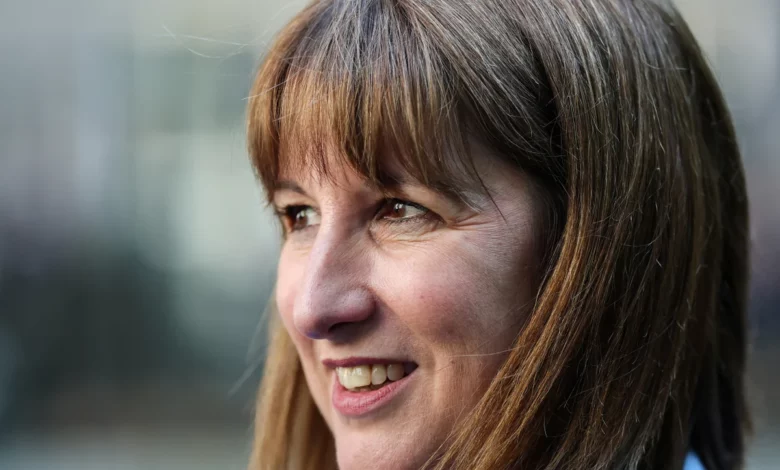
Government borrowing in the UK increased more than forecast last month, piling pressure on Chancellor Rachel Reeves. Borrowing, the gap between government outlays and tax receipts, was £20.7bn in June, an increase of £6.6bn on June last year, the Office for National Statistics (ONS) reported.
Increased spending on public services and interest payments on debt exceeded other tax revenues, including employers’ National Insurance contributions, that was raised in April, the ONS reported.
Experts claim that it is more likely that the chancellor will be forced to increase taxes in the autumn Budget after the government overturned cuts to benefits that had been designed to save billions of pounds.
The new borrowing total was the second-highest ever for June, after records began in 1993, ONS said, behind only June 2020, when the pandemic hit hard. Senior economist at KPMG UK Dennis Tatarkov stated the figures “pile more pressure on public finances.”.
“Additionally, the long-term picture for public finances is challenging. Recent welfare U-turns and ongoing growth headwinds may leave a gap against fiscal targets that may need to be plugged by further taxation or spending reductions in the Autumn Budget.”
ONS reported interest payments on government debt increased to £16.4bn in June 2025, which was almost double that being paid at the same time last year.
This is up due to a pick-up in the pace of inflation, with interest payments on certain government borrowing tied to the Retail Prices Index measure of inflation.
Borrowing for the first three months of the financial year has now hit £57.8bn. This is up £7.5bn on the same period in 2024, but is as the Office for Budget Responsibility, the official independent forecaster, had forecasted.
However, Alex Kerr, UK economist at Capital Economics, cautioned that “things will probably get worse for the chancellor. We believe she will have to raise £15-25bn at the Budget later this year, with increased taxes doing most of the heavy lifting.”
Mr Kerr said that the ONS figures implied “the recent weakness in the labour market is bearing down on [tax] receipts”, and that this may persist “with underlying economic growth remaining weak”.
The latest growth figures have revealed that the UK economy contracted in April and May.
Addressing the Economic Affairs Committee in the House of Lords, Reeves declared holding to these budget rules was “non-negotiable”, as they delivered stability to the economy and provided “government bondholders with the confidence to continue buying those bonds”.
“We remain rather dependent on the charity of strangers in purchasing our government debt,” she said, repeating the words of former Bank of England governor Mark Carney, now the prime minister of Canada.
“I’m going to hold firm to those fiscal rules so we can reduce the cost of servicing that debt,” she went on.
Reeves also justified the policy of raising National Insurance Contributions for companies, one that has been under criticism from most businesses.
She explained the funds raised through such tax hikes “put our public finances on a firm footing, and also allowed us to use that extra money, £29bn extra a year, in the National Health Service. So they were the right decisions in the circumstances.”
In response to the most recent borrowing levels, shadow chancellor Mel Stride commented: “Rachel Reeves is spending money she doesn’t have. Debt interest already costs taxpayers £100bn a year – almost double the defence budget.”