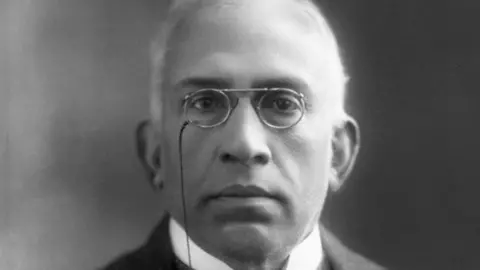
Well before India achieved independence, one courageous voice within the British Empire was brave enough to speak out against a colonial atrocity – and suffered for it. Sir Chettur Sankaran Nair, an attorney, was among the very few Indians to be appointed to high-ranking government positions when the British governed the nation.
In 1919, he quit the Viceroy’s Council following the Jallianwala Bagh massacre in the north Indian city of Amritsar in Punjab, where hundreds of unarmed civilians who had gathered for a public meeting were gunned down by British soldiers.
During the 100th anniversary of the massacre, then-UK Prime Minister Theresa May referred to the atrocity as a “shameful scar” on Britain’s history in India. Nair’s criticism of the then Lieutenant Governor of Punjab, Michael O’Dwyer, resulted in a libel suit against him, which served to bring attention to the massacre and the role of British officials.
In a biography of Nair, KPS Menon, the first foreign secretary of independent India, called him “a very controversial figure of his time”. Nair was famous for his independent thoughts and aversion to extremist politics and criticized colonialism and even Mahatma Gandhi, the Indian freedom fighter who is now the father of the nation.
Menon, who married Nair’s daughter Saraswathy, penned: “Only [Nair] could have insulted the all-powerful British Viceroy on his face and opposed Mahatma Gandhi openly.”
Nair was not a household name in India over the past few decades, but earlier this year a Bollywood movie about the court case, Kesari Chapter 2- starring megastar Akshay Kumar – brought his life to light.