In a dramatic turn, Iran and the United States have made progress after a second round of indirect nuclear negotiations, which Iranian Foreign Minister Abbas Araghchi described as “constructive.” The two nations plan to sit again next week.
Technical experts are set to sit down soon, signaling potential advances in the talks ahead of a third round of negotiations scheduled for April 26 in Oman, according to Araghchi.
A senior U.S. official, quoted by The Associated Press, stated Saturday’s Rome talks “made very good progress” and set down for next week’s further negotiations. Nevertheless, there is no formal U.S. readout of the meeting.
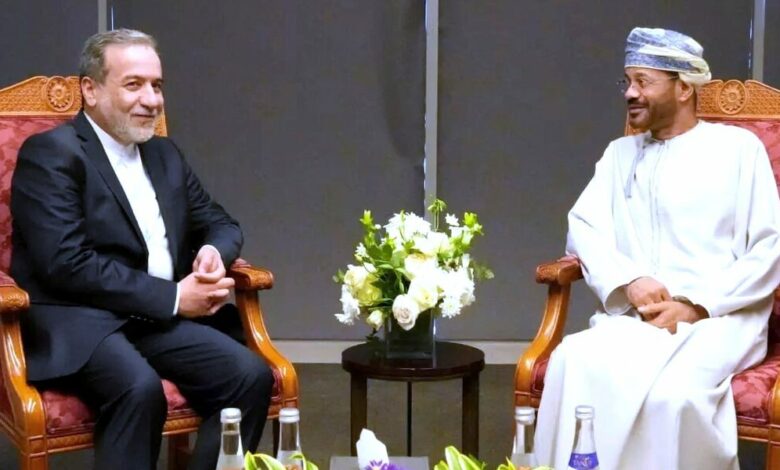
The talks, lasting four hours, featured delegations led by Araghchi and US Middle East envoy Steve Witkoff, a billionaire real estate tycoon frequently dispatched abroad on foreign policy missions by President Trump. The two delegations were in separate rooms at Oman’s embassy in Italy, and communication between them was facilitated by Omani Foreign Minister Badr al-Busaidi.
Araghchi noted that a better understanding on certain principles and goals was reached during the discussions. “The negotiations were conducted in a constructive atmosphere and are progressing,” he stated. He expressed cautious optimism, saying, “I hope that after next week’s technical sessions, we’ll be in a better position.”
Al Jazeera’s James Bays, reporting from outside the Omani diplomatic mission, described the Iranian side’s response as “very positive,” considering their original skepticism. The upcoming talks signal an acceleration of the negotiations process.
This session follows the first high-level negotiations between Iran and the US in Muscat after Trump’s unilateral withdrawal from the 2018 historic nuclear agreement. Iranian officials desire consistency in the present negotiations, says Al Jazeera’s Tohid Asadi in Tehran.
Western countries, particularly the US, have long accused Iran of seeking a nuclear weapon, something Tehran denies, saying its nuclear activities are for peaceful civilian use.
Rafael Grossi, director of the International Atomic Energy Agency, has recently said that Iran is “not far” from achieving a nuclear weapon.
Grossi was in Rome on Saturday also, where he had a meeting with Italian Foreign Minister Antonio Tajani. His department would conduct the checks of compliance in the case a deal is reached, as it has done under the 2015 agreement.
Since the 1979 Islamic Revolution, the US and Iran have lacked diplomatic relations. After taking office in January, Trump reinstated his “maximum pressure” sanctions against Tehran but later reached out to Supreme Leader Ali Khamenei, advocating for renewed negotiations while warning of military consequences if diplomacy fails. “I’m not in a rush” to use force, Trump stated, expressing belief that Iran is eager to engage in dialogue.
Araghchi attributed a “degree of seriousness” by the US in the initial round of discussions but was skeptical towards Washington’s intentions and motivations. The essence of the dispute is whether Iran can maintain its civilian nuclear program or whether, as US hardliners believe, it will have to scrap its nuclear facilities completely.
Bays asserted that recent talks have focused more on the establishment of a framework for negotiation and less on delving deep into the specifics of the nuclear program where problems are likely to arise.