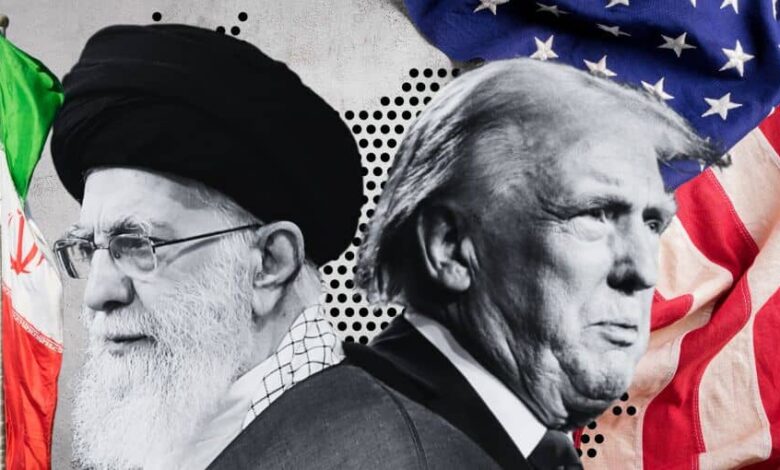
In a significant diplomatic setback, Iranian Foreign Minister Abbas Araghchi confirmed to Al Jazeera that the upcoming nuclear negotiations between Iran and the United States, scheduled for Sunday in Oman, have been cancelled. Araghchi affirmed the action when requested to do so, stating, “Yes,” making it a definite halt to the anticipated talks.
Oman also confirmed the cancellation, saying the talks “will not now take place.” A top U.S. official later reiterated the same, telling The Associated Press that, though cancelled, the U.S. is still open to future talks, with hopes that Iran will be back at the negotiating table in the near future.
The background to this diplomatic break features escalating tensions between Iran and Israel. Iranian state news agencies cited Iran as having decreed that current negotiations with the U.S. were unfounded amidst what it termed “barbarous” Israeli attacks. Iranian Foreign Ministry spokesman Esmaeil Baghaei elucidated that negotiation on Iran’s nuclear question has become “meaningless,” particularly after Israel’s intense military strike on Iran, which Tehran holds Washington responsible for supporting.
The pause in the negotiations appears to be the immediate consequence of the recent intensification of hostilities. Tehran has flatly rejected the option of holding diplomatic talks in the context of military aggression.
American authorities dismissed allegations of complicity in the Israeli military strikes and urged Iran to negotiate its nuclear ambitions. U.S. President Donald Trump characterized the Israeli strikes as “excellent,” although he originally warned Israeli Prime Minister Benjamin Netanyahu against actions that might derail nuclear negotiations.
Trump characterized the present conflict as a potential “second chance” for the leaders of Iran, urging them not to allow more destruction. He also warned the powerful military of the U.S. and Israel, and advised Iran’s leaders to reconsider their stance on nuclear negotiations.
The sixth round of nuclear talks were to take place in Oman, but with escalating tensions, the prospects for the talks appear dim. Iran has maintained that it is pursuing uranium enrichment for civilian purposes only and denies Israeli suspicions of a secret nuclear weapons program. Netanyahu has vowed to persist with military strikes until Iran is prevented from developing what he refers to as a nuclear threat.
Political analysts, such as Hamed Mousavi from Tehran University, provide that many Iranians view further negotiations futile under the current hostilities. Mousavi noted that Iranian sentiment is defiant with little public sympathy for Israeli objectives, debunking rumors of widespread protests or unrest as a response to the military attacks.
As it is, the prospects for diplomatic resolution appear to become increasingly remote, with both sides entrenched.