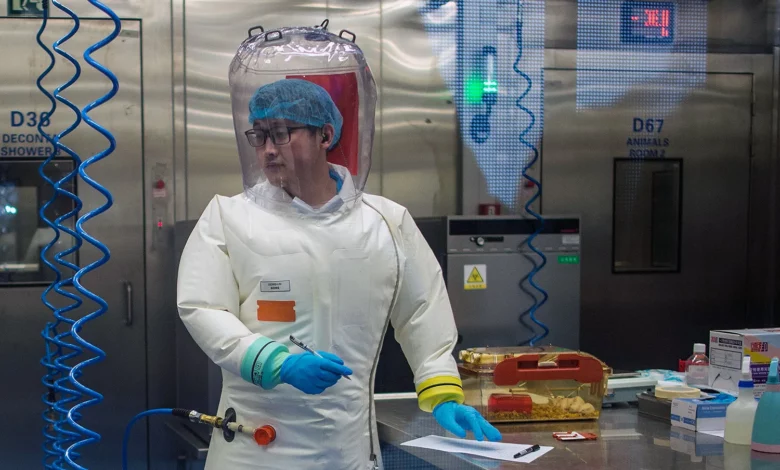
According to a University of Edinburgh study, it appears COVID-19 did not start in China’s Wuhan city but developed naturally in northern Laos’ bat population and China’s Yunnan province. The research, now published by the peer-reviewed journal Cell, debunks the ‘lab-leak’ theory supported by US President Donald Trump. Here’s what it states
Over five years after Covid-19 brought the world to its knees, the question of how the virus initially emerged remains the cause of hot debate. Was it the product of a global lab disaster in Wuhan? or did it naturally jump from animals traded in wet markets?
Now, a landmark new study by researchers from the University of Edinburgh adds new weight to the latter hypothesis, stating that COVID-19 did not emerge in laboratories in China’s Wuhan but likely developed naturally in the population of bats in Southeast Asia.
The paper in the peer-reviewed journal Cell earlier this month has presented what scientists describe as the strongest genetic evidence yet against the lab leak theory of the origin of Covid-19.
Directed by researchers based at the University of Edinburgh and comprising specialists from 20 institutions in the US, Europe, and Asia, the research examined 167 bat coronavirus genomes. They sought to follow the evolutionary history of the virus responsible for the worldwide pandemic.
The researchers discovered the closest relatives of Sars-CoV-2 — the virus that causes Covid-19 — were circulating in northern Laos bat populations and China’s Yunnan province. The most recent ancestor of the virus most likely emerged between five to seven years prior to Covid-19 first being detected in late 2019, as the research found.