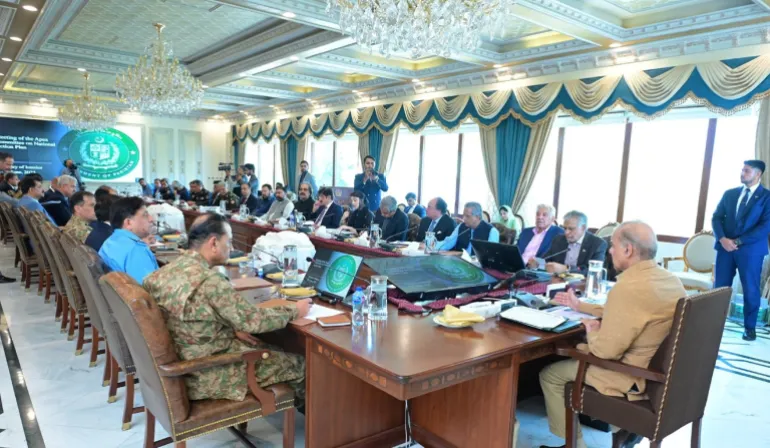
Pakistan has introduced a new policy to fight violent extremism using a multi-pronged strategy involving curricula changes in schools, religious outreach, social media, and military strategies. This is as the nation experiences an upsurge in violent attacks, especially in Khyber Pakhtunkhwa and Balochistan.
Though ambitious in nature, experts have questioned the feasibility of the National Prevention of Violent Extremism (NPVE) Policy due to a lack of comprehensive execution plans. Critics opine that it could be “old wine in a new bottle” considering the military’s overbearing role in Pakistan’s security policies.
The NPVE came out in the wake of shocking figures by the Center for Research and Security Studies, which indicated 2,526 fatalities in 2024 due to different attacks—most blamed on the Pakistan Taliban (TTP), an extremist group identified with the Taliban of Afghanistan.
Dayyab Gillani, head of research at the National Counter Terrorism Authority (NACTA), stresses a change towards a “whole-of-society” approach that focuses on non-kinetic options, stating that counter-terrorism through the military alone will not bring about lasting peace. The NPVE proposes a “5-R” approach: Revisit, Reach Out, Reduce, Reinforce, and Reintegrate, with 700 key performance indicators to assess progress.
The policy is directed towards educational reform, media involvement, and establishing a culture of tolerance. But implementation issues are still there, especially considering the history of ineffectively implemented policies in Pakistan. Experts also caution that military control would discredit the NPVE’s objectives and question NACTA’s autonomy in a militarized setup.
Finally, the success of this policy will also depend on the government’s capacity to apply it practically, balancing both military and civilian approaches to move forward towards eradicating the root causes of extremism.