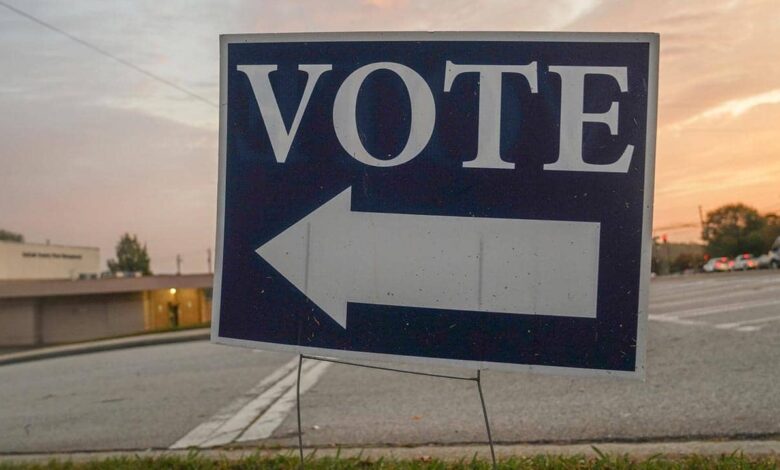
Singapore will hold general elections on May 3, the first time that Prime Minister Lawrence Wong will be tested at the polls since he took office a year ago. On Tuesday, Elections Department Singapore had confirmed that parliament had been dissolved by President Tharman Shanmugaratnam at the recommendation of the Prime Minister.
This election arrives at a pivotal time for the city-state, where its export-oriented economy is grappling with the challenges posed by the vagaries of global economic conditions, including the impact of former U.S. President Donald Trump’s trade policy.
Wong, who took over as leader after replacing Lee Hsien Loong in May, emphasized the importance of this election, stating that it offers Singaporeans a choice of their future leaders at the nation’s “critical juncture.” Wong spoke of the sweeping world change and uncertainties which could affect the future prosperity of Singapore.
There are 97 parliamentary seats to be contested, and Wong’s People’s Action Party (PAP) is set to maintain its age-old grip. The PAP, co-founded by Singapore’s late leader Lee Kuan Yew, has governed since the city-state gained self-rule from Britain in 1959. The PAP has consistently secured more than 60 percent of the votes, although opposition critics claim the government suppresses their voices through tactics like gerrymandering and strict restrictions on freedom of speech and assembly.
During the 2020 elections, the main opposition party, the Workers’ Party, won its record vote, capturing 10 of the 93 contested seats. Recent polls indicate that this election could be closer than ever. In a poll conducted by YouGov last month, only 44 percent of voters had firm opinions on which party to choose. Out of the ones who had a clear choice, 63 percent backed the PAP and 15 percent the Workers’ Party.